
OUR INDUSTRY
Sustainability as a Foundation
TFI members partner with growers to meet one of the most critical challenges of our time: growing more food, more sustainably. Sustainable growth ensures that the fertilizers feeding today’s crops also help nourish the planet and secure the farming industry of tomorrow.
Sustainability is not a separate pursuit; it is foundational to how the fertilizer industry operates, innovates, and feeds the world. The Fertilizer Institute’s annual Sustainability Report highlights the partners and farmers at the forefront of the industry’s progress toward a lower-carbon future, its investments in safety and workforce development, and its contributions to food security and economic vitality.
What is Sustainable Growth?
Industry Participation:
21
Companies
12
Manufacturers of fertilizer in the U.S.
96%
of US nitrogen, phosphate, and potash production capacity



















Note: Participation in the report is voluntary and includes data provided by TFI member companies doing business in the United States. As the total number of companies that participate in this report changes, so does the quantity of reported natural resources used. For clarity, this report focuses on normalized numbers, or the amount of resources needed to produce one ton of fertilizer.
4R Nutrient Stewardship
GROWTH GOAL: 70M ACRES
The Science of Sustainability
TFI and its members help farmers optimize productivity while protecting soil, water, and air resources through science-based 4R Nutrient Stewardship practices. Our goal? 70M 4R acres by 2030. As of the 2024 growing season, we’re on track to not just meet, but exceed that goal.
 Matches fertilizer type to crop needs
Right Source
 Matches amount to crop needs
Right Rate
 Makes nutrients available when crops need them
Right Time
 Keeps nutrients where crops can use them
Right Place
championing 4r practices
A Program for Progress
The 4R Advocate Program includes 128 farmers and agricultural retailers who manage over 300,000 acres in 27 states. These champions endorse and advocate for sound nutrient stewardship to their fellow growers, policymakers and the media.
128
farmers and agricultural retailers
27
states
300,000
acres
Partnering for Performance
It’s called Precision Ag.
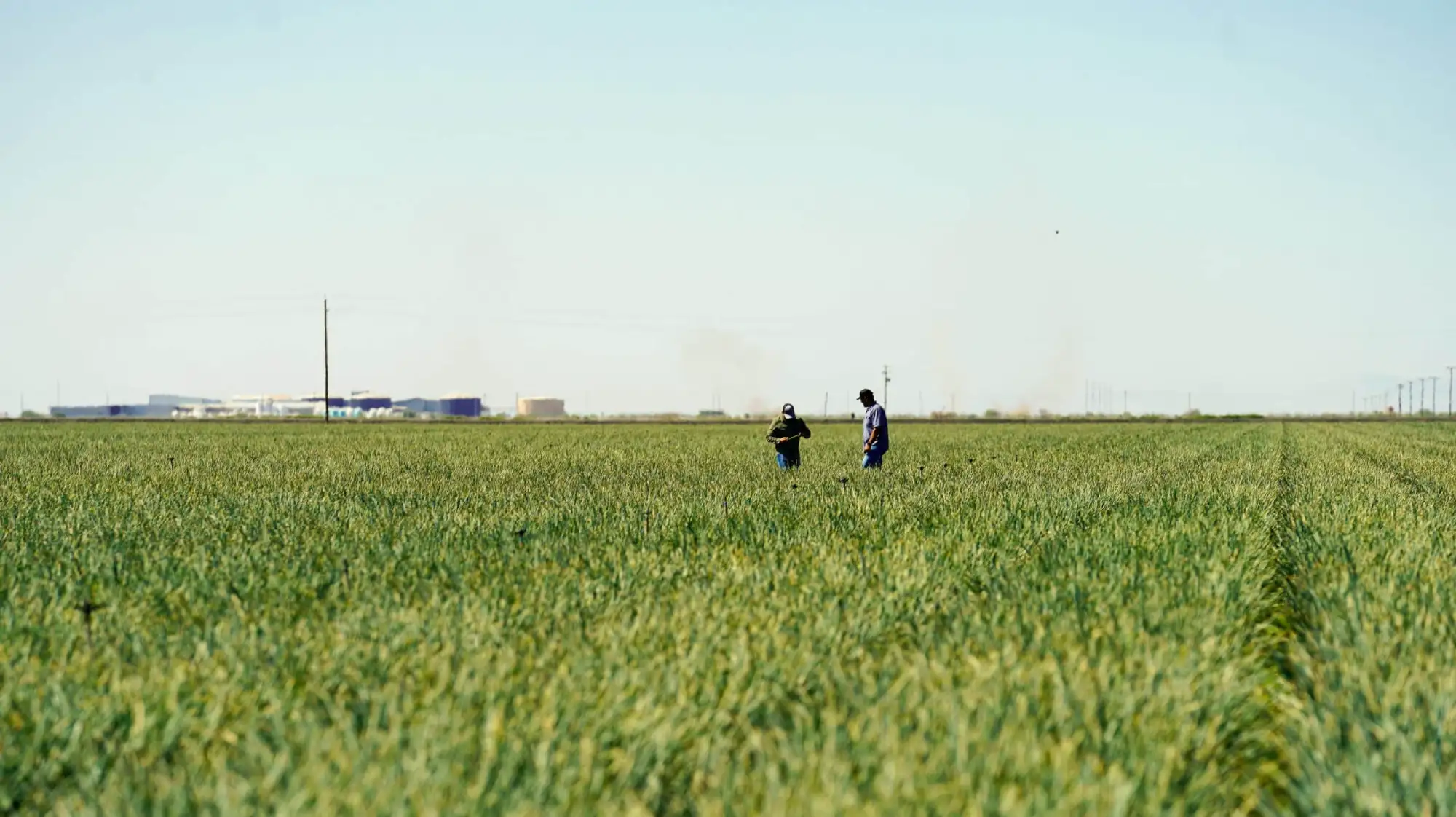
The agronomic expertise provided by 4R Stewardship Champions helps farmers implement data-first practices based on new technology. Simplot Farms is one TFI member organization that builds partnerships with growers around the globe to feed the world more sustainably, more efficiently, and more intelligently.
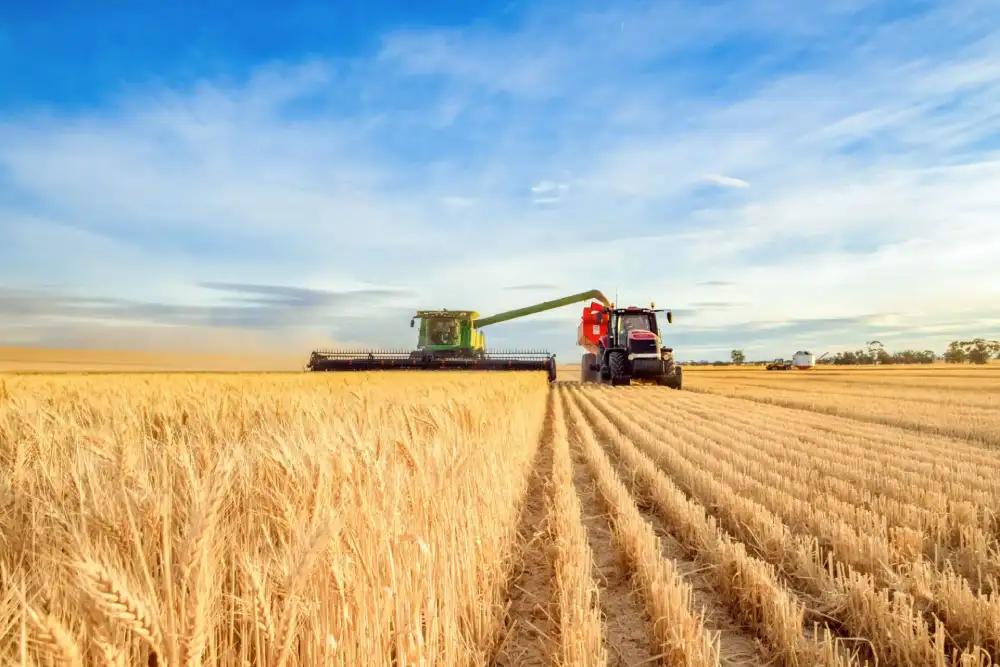
“We have to keep finding new ways to be more efficient and reduce costs to continue meeting our mission to help feed the world.”
Simplot Company Sr. Farm Manager
Not Your Grandparents’ Harvest.
From drones in fields to high-tech harvesters that directly track yield data, farming is becoming higher yield and more sustainable. Knowing how to conduct post-calibration and hybrid performance analysis, evaluate cost per acre, yield per thousand seeds, and nutrient efficiency, means farmers can refine for the next growing season.

WATER QUALITY
Promoting 4Rs Nutrient Stewardship Together
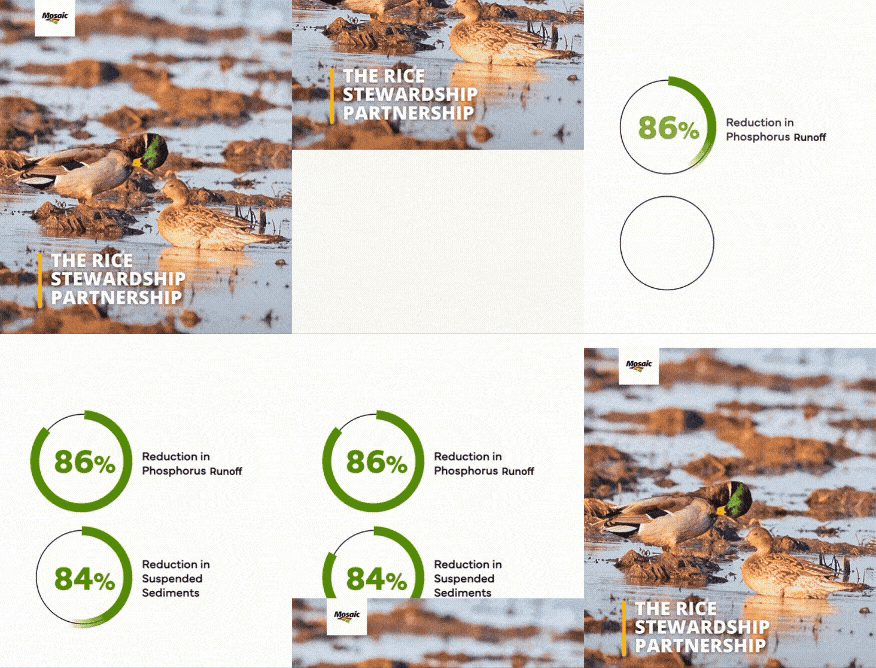
Managed properly, rice fields act like nature’s kidneys, filtering water and supporting migratory birds. Since 2013, The Mosaic Company Foundation For Sustainable Food Systems’ Rice Stewardship Partnership with Ducks Unlimited and USA Rice Federation has helped farmers use smarter water practices and 4Rs Nutrient Stewardship.
Innovative Products
A Market for the Future
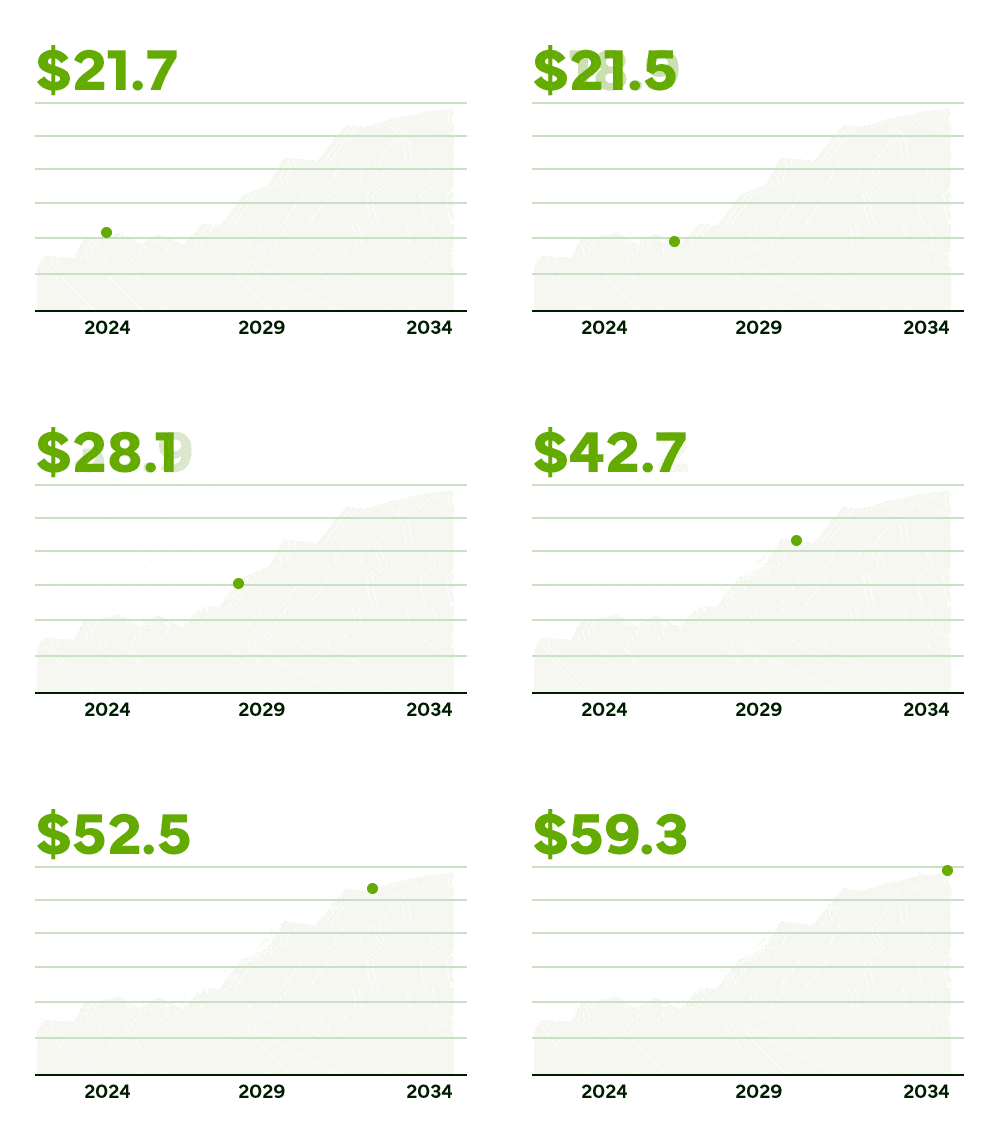
R&D investments continue to grow, particularly in the area of innovative fertilizer products. The sustainable agriculture market was valued at approximately $21.7 billion in 2024 and is projected to reach $59.3 billion by 2034, growing at a compound annual growth rate (CAGR) of 10.7%.
Transparency in Sustainability
Promising innovations include biofertilizers, which use microorganisms or natural compounds to boost plant growth. TFI’s Certified Biostimulant program helps retailers and growers assess biostimulants more confidently by showing how products meet efficacy, composition, and safety voluntary standards.
Coatings Innovations
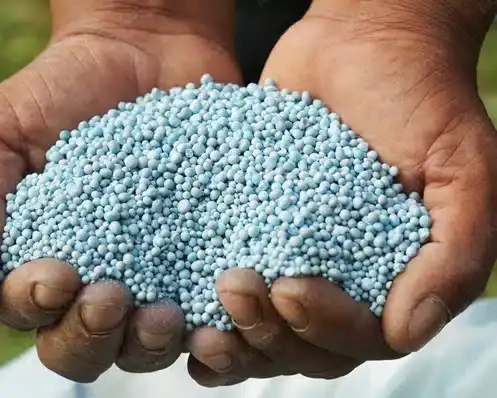
Another area of substantial R&D investment is coatings. Seed and fertilizer coatings improve nutrient efficiency, reduce environmental impact, and enable controlled release. New coatings on Enhanced Efficiency Fertilizers (EEFs) range from polymer-based to biologically-derived options. These innovations increase the efficiency of nutrient delivery, reducing waste.
R&D
Yara
In 2024, Yara invested $104 million globally in research and development, focusing on critical areas like carbon (lowering agricultural emissions), soil health, water and nutrient use efficiency, as well as the development of biologicals and AgTech solutions. Yara’s Global Innovation strategy aims to harmonize sustainable yields, enhance crop quality, and reduce environmental impact—goals that align with regenerative farming – a key pillar in nature-positive practices.
EFFICIENT MANUFACTURING
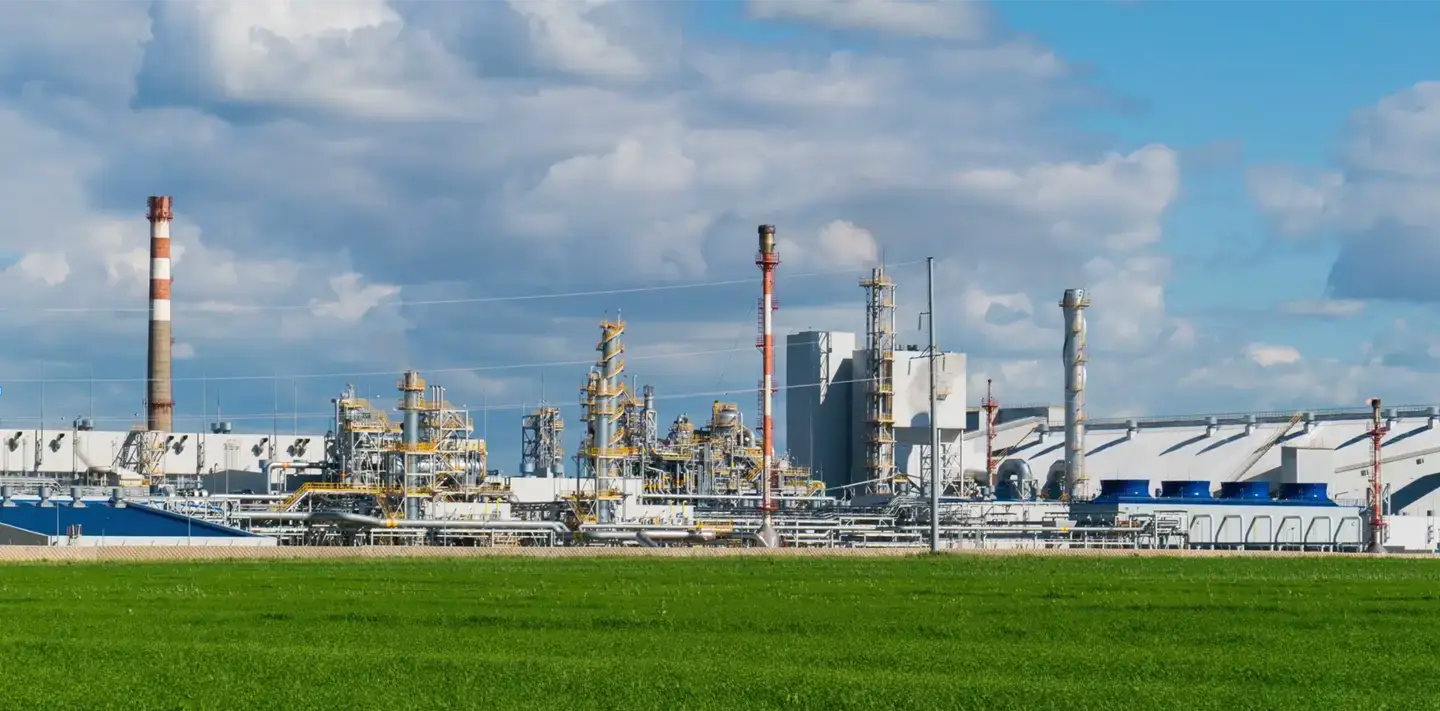
Fertilizer production has a cost: in natural gas, water, energy, and land. TFI and its members continue to make significant improvements in sustainability. We’re doing more with fewer resources since data collection began on this report in 2014.
Eliminating Waste
The production of fertilizer requires energy, either in the form of a fuel feedstock, electricity, or steam. To reduce their energy footprint, fertilizer manufacturers are cogenerating energy, using low-impact energy sources (such as solar), and turning waste into a resource—all of which is good for the planet and the bottom line.
1,170,000,000
Kwh of electricity generated from waste heat instead of fuel combustion
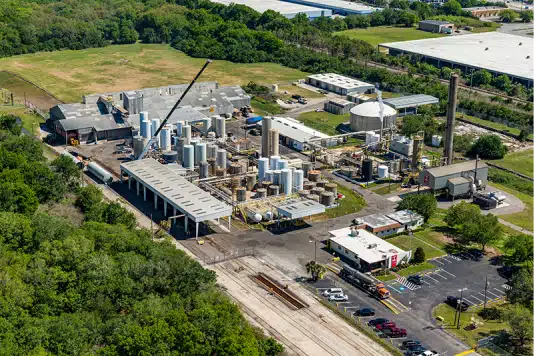
Reduce, Reuse, Repurpose.
TradeMark Nitrogen reuses heat from their nitric acid plant to generate steam, which assists in driving the compressor, thus reducing overall power requirements. They also repurpose manufacturing byproducts to reduce landfill waste.

WATER STEWARDSHIP
Recycling and Reclaiming
Water is a significant resource in the production of phosphate and potash fertilizers, and—to a lesser extent—nitrogen. Many fertilizer manufacturers in this year’s report have set and achieved water efficiency and zero-discharge goals for their operations through the use of recycled and reclaimed water.
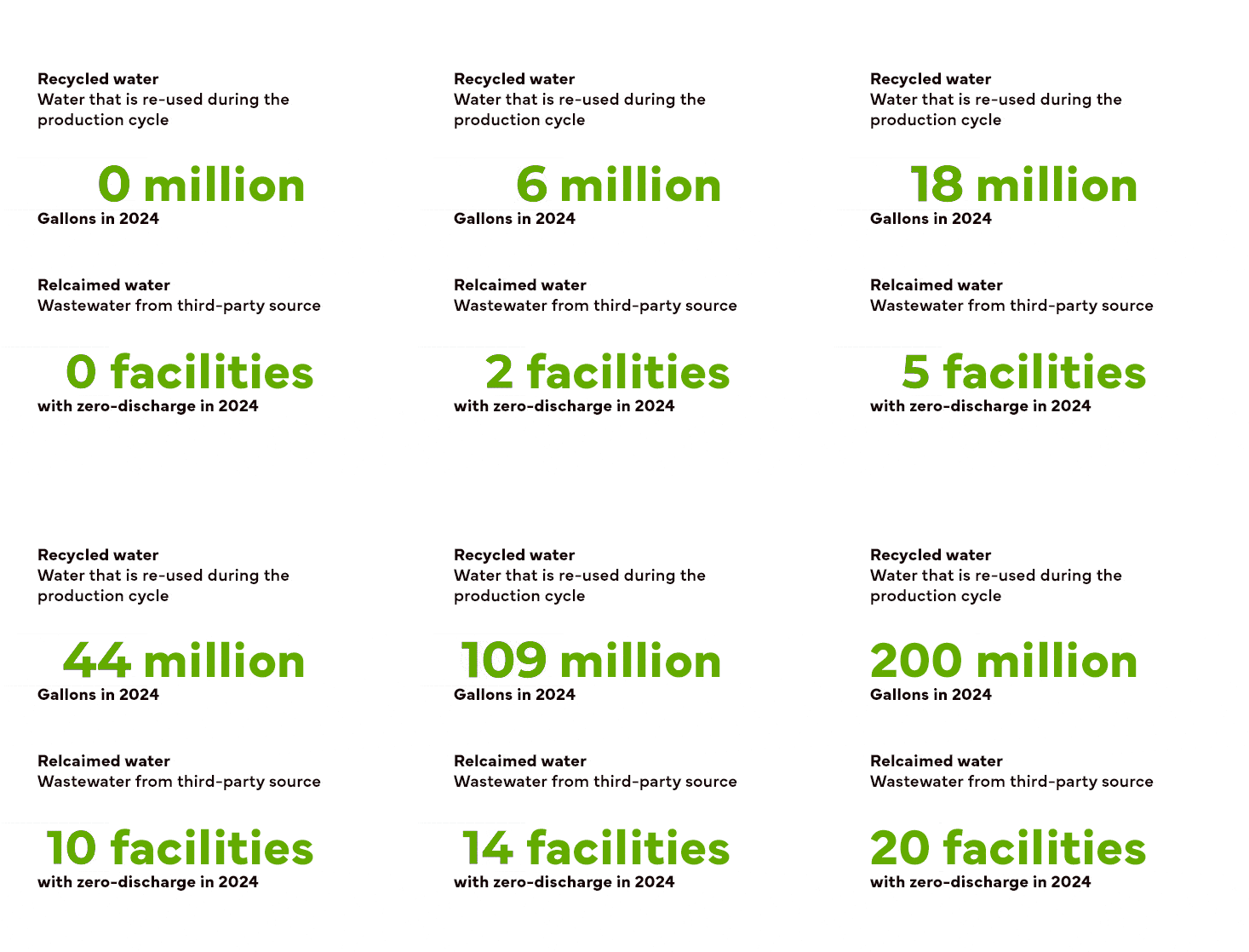
Conservation at scale.
Tessenderlo Kerley, Inc. finds innovative ways to conserve water, including a water recycling system that saves millions of gallons a year at their Eufaula, AL manufacturing plant. Learn more about TKI’s commitment to a greener future and how sustainability is in its DNA
Carbon Capture, Utilization, and Storage
Capturing CO2
High-purity carbon dioxide (CO2) is a byproduct of ammonia production and is captured and used by many companies in the nitrogen fertilizer industry for other purposes. Fertilizer companies typically use CO₂ to produce urea fertilizer, but it is also sold for various industrial uses, food processing and packaging, or to carbonate soft drinks.

Permanent CO2 Sequestration
In July 2025, CF Industries announced the production of low-carbon ammonia at its Donaldsonville Complex in Louisiana. With the start-up of CO2 dehydration and compression facility and the initiation of permanent CO2 sequestration, this project will enable the capture and sequestration of up to 2 million metric tons of CO2 emissions and the production of approximately 1.9 million tons of VACI-certified low-carbon ammonia annually. As a project partner, ExxonMobil is transporting and permanently storing the CO2.
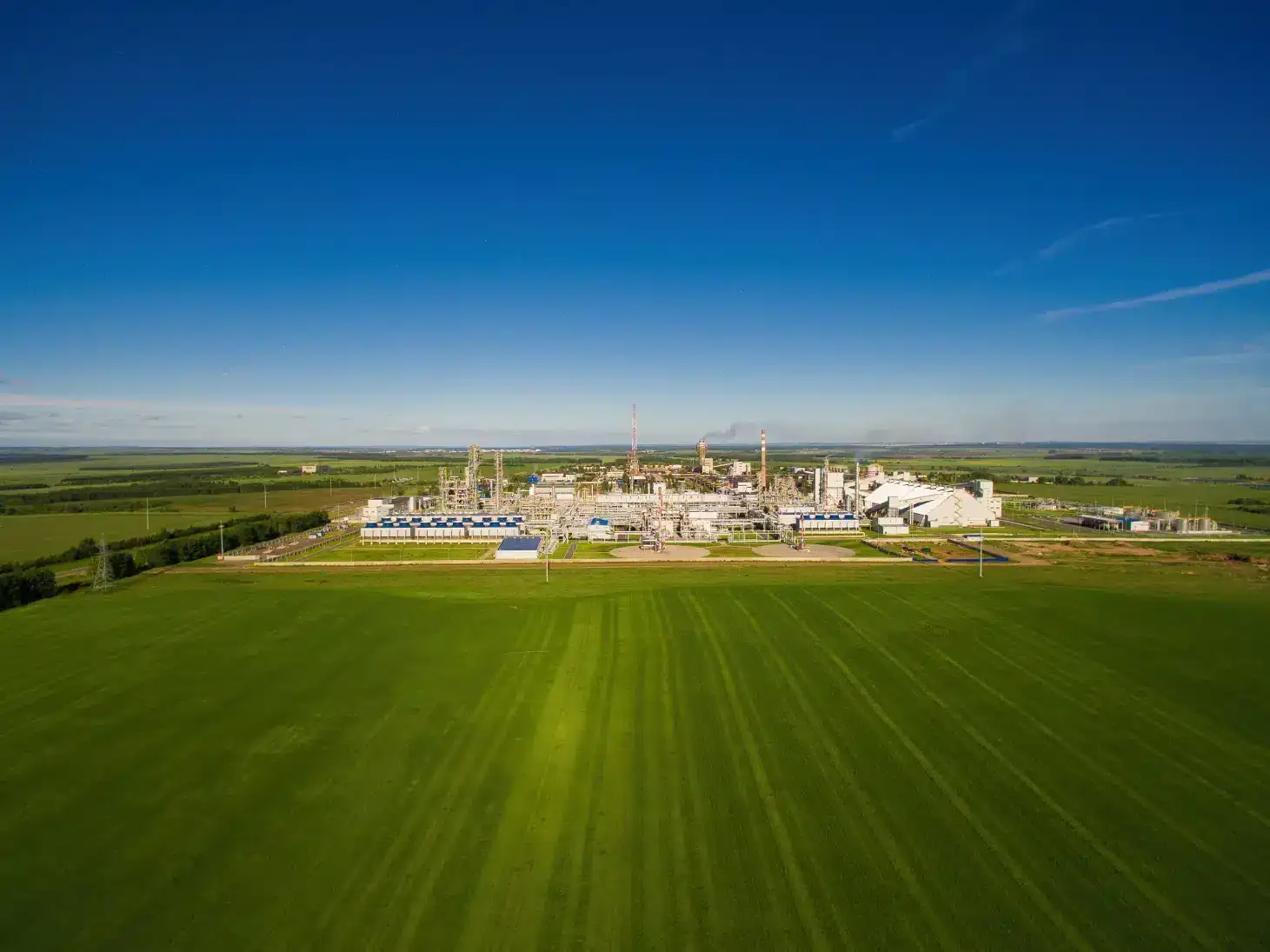
Above: Dehydration & Compression Unit at Donaldsonville Complex in Louisiana
LOW CARBON CERTIFICATION
Increasing Transparency for Consumers
TFI launched the Verified Ammonia Carbon Intensity (VACI) certification program in December 2024. VACI is a voluntary program that certifies the greenhouse gas emissions resulting from ammonia production at a specific facility from natural gas well to production gate. The program utilizes a published methodology developed by industry experts to calculate the carbon intensity of the facility’s ammonia production. The data collection and calculations are audited by a third-party verifier. The program includes carbon intensity calculations not only for ammonia, but for fertilizer products containing nitric acid, ammonium nitrate, urea, and urea ammonium nitrate.
The emerging low carbon ammonia industry now has science-based standards for comparing products, providing consumers with greater transparency.
Learn more about the VACI certified facilities at verifiedammonia.org
Powering Sustainable Growth
Achieving sustainability goals—like reducing energy, water use, and greenhouse emissions —requires capital investment in equipment, technologies, and people.
$ 1.49 billion
Average yearly capital
investment over the past 3 years
People & Our
Communites
Leading the Way
Safety performance among participating TFI-member companies continued to outperform industry peers when compared to data released in November 2025 by the U.S. Bureau of Labor Statistics.
Incidence rates represent the number of injuries and illnesses per 100 full-time workers in one year. 2024 benchmark represents industry-wide rates published by the US Bureau of Labor Statistics in November 2025.
DART Rate (Days Away, Restricted, or Transferred): Measures the rate of workplace injuries and illnesses that result in time away from work, restricted duties, or job transfers.
Recordable Rate: Reflects the total number of OSHA-recordable incidents, including any injury or illness requiring medical attention beyond first aid.
2024 DART Rate
| TFI Members | Industry Benchmark | |
|---|---|---|
| Mining | 0.5 | 1.5 |
| Manufacturing | 0.33 | 1.05 |
| Wholesalers | 0.34 | 1.6 |
2024 Recordable Rate
| TFI Members | Industry Benchmark | |
|---|---|---|
| Mining | 1.26 | 2.1 |
| Manufacturing | 0.76 | 1.7 |
| Wholesalers | 0.94 | 2.5 |

Itafos Conda
Itafos Conda is a Star Site. The designation is granted by the U.S. Department of Labor’s Occupational Safety and Health Administration (OSHA) to sites that implement exemplary and comprehensive safety and health management systems and maintain injury and illness rates below national averages. The Itafos Conda business segment has held this distinction since 1995. For every year since 2018, Conda has also received the annual Pinnacle Award from Union Pacific Railroad. This award honors shippers for their release prevention protocols and corrective action plans, and for achieving zero non-accidental releases of regulated hazardous materials.

RESPONSIBLE AG
Partnering for Federal Compliance
Fertilizer producers and transporters, and even growers, must comply with federal regulations regarding safe handling and storage. It can be a complicated network of requirements that fall under multiple agencies, like the EPA and OSHA. So, industry members founded ResponsibleAg, Inc. The nonprofit provides federal regulatory compliance assessments, makes recommendations for corrective action where needed, and offers a robust suite of resources. Learn more at ResponsibleAg.org.
1,406
retail facilities certified
1,618
audits completed
2,320
retail facilities registered
HELM
In addition to protecting communities through programs such as ResponsibleAg, TFI members contribute their time, skills, and dollars to communities large and small across the country.
HELM believes in “thinking globally and acting locally” to create positive change worldwide. HELM Social Days, introduced in 2024, give employees paid days off to support local projects of their choice. Employees actively contribute to the community and support social and environmental responsibility. HELM is also a proud long-term partner with Plan International, an independent, global aid organization that works to improve the lives of children.

3,091,931
students reached
100,000+
classrooms engaged
200
FERT Fun Boxes distributed in 2025
Nutrients for Life
Nutrients for Life’s aim is to educate youth about the importance of responsible fertilizer use in growing healthy crops, increasing food production, and feeding a growing population. Each Fertilizer Fun Box provided for classroom instruction contains engaging, hands-on activities to teach students about soil science and the role of fertilizers in food production.
For more about how TFI and its members enable sustainable growth that’s good for the planet and the bottom line, visit our Nutrient Stewardship page or contact us.